
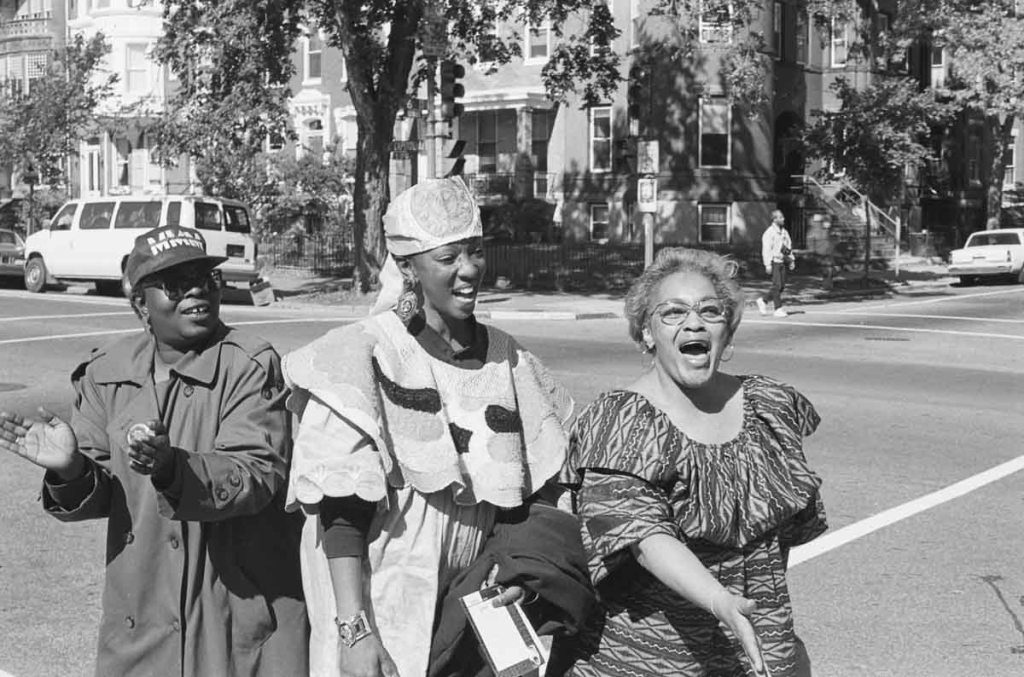
Photo courtesy – Library of Congress/Unsplash
From News Desk
The African American Cultural Heritage Action Fund, a division of the National Trust for Historic Preservation, has announced USD 3 million in preservation funding for 27 historic sites and organisations across the United States through its annual National Grant Programme and Conserving Black Modernism Initiative. Since its founding in 2017, the Action Fund has raised more than USD 200 million and supported over 430 preservation projects dedicated to protecting Black heritage nationwide.
“Historic places help us understand who we are as a nation,” said Brent Leggs, President and CEO, National Trust for Historic Preservation and founder of the African American Cultural Heritage Action Fund. “These grants are investments in communities that are preserving the full American story, from the struggles for freedom and civil rights to the achievements of Black educators, architects, entrepreneurs, faith leaders, and culture bearers. By supporting local stewards and communities, we are helping ensure these stories endure for generations to come.”
“The strength of the National Grant Programme and Conserving Black Modernism Initiative is their ability to meet communities where they are and provide support that responds to their unique preservation needs,” said Tiffany Tolbert, Co-Director of the African American Cultural Heritage Action Fund. “This year’s grantees represent every corner of the country and demonstrate that preserving Black history requires sustained investment, local leadership, and strong partnerships. We are honored to stand alongside these organizations as they protect places that continue to shape our nation’s cultural landscape.”
As the nation marks the 250th anniversary of the United States, this year’s grants reaffirm the importance of preserving places that tell a complete and inclusive American story. At a time when communities across the country are reexamining how history is remembered, interpreted, and shared, the Action Fund continues to invest in local organizations that safeguard the people, places, and movements that have shaped the nation.
This year, the National Grant Programme is awarding USD 2.26 million to 22 grantees that reflect the diversity and national significance of Black history, supporting places that preserve cultural heritage, civil rights memory, education, and women’s leadership. Awardees include: the multi-state Gullah Geechee Cultural Heritage Corridor, which protects one of the nation’s most distinctive Black cultural landscapes in America; The Eliza Freeman House in Connecticut, home to a self-made Black businesswoman in the 1840’s; the home of Dr. Jane Ellen McAllister, the first Black woman to earn a Ph.D. in Education from Columbia University, located in Mississippi; Thelma’s Cafe in West Virginia’s Hotel Thelma, a Green Book site that was visited by Etta James, Sam Cooke, Little Richard, and Tina Turner; and the Detroit Association of Women’s Clubs building, which was listed on the National Trust’s 11 Most Endangered Historic Places in America in 2026.
The Conserving Black Modernism Initiative, a partnership with the J Paul Getty Foundation now in its fourth year, is awarding USD 750,000 in grants to five projects that protect and promote the work and legacy of Black Modernist architects. This year’s portfolio includes Fisk University’s Park Johnson Hall; the Martin Luther King Jr. Humanities Center at Texas Southern University; St. Mark AME Zion Church in East Chicago, Indiana; Northeastern University’s Southwest Corridor Project; and Milwaukee’s Central City Plaza. These sites help expand public understanding of historic preservation beyond traditional landmarks by highlighting the enduring influence of Black architects and community-centered design.
“Conserving Black Modernism has helped communities in nearly every region of the U.S. protect the work of Black architects and has helped broaden the very definition of modernist architecture,” said Joan Weinstein, director of the Getty Foundation. “Teaming up with the National Trust over the past five years has allowed us to take actionable steps to preserve underrepresented sites that embody Black excellence in design, activism and resilience.”
 News N Opinions...