
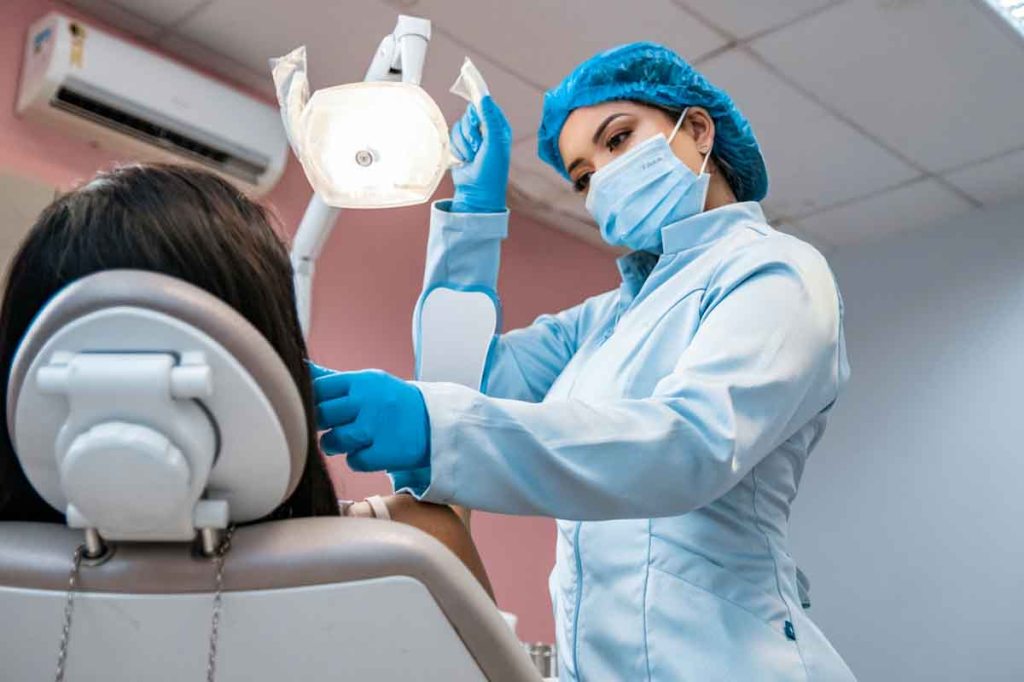
Photo Courtesy – SoyBreno/Unsplash
By Dr Jaineel Parekh, Orthodontist, Illusion Aligners
From Opinions Desk
Orthodontic treatment is no longer a one-size-fits-all solution. Today, patients can choose between traditional braces and clear aligners based on their dental needs, lifestyle, and personal preferences. While both are designed to improve alignment and oral health, there are some important differences to consider.
Visibility During Treatment
Traditional braces use brackets and wires attached to the teeth, making them visible throughout the treatment process. Clear aligners, including solutions such as Illusion Aligners, are designed to be nearly invisible, making them a preferred choice for individuals looking for a more discreet treatment experience.
Eating and Daily Habits
One of the biggest differences lies in convenience. Braces remain fixed to the teeth, which means certain foods may need to be avoided. Clear aligners can be removed while eating and drinking, allowing patients to continue enjoying their regular diet with fewer restrictions.
Oral Hygiene Maintenance
Maintaining oral hygiene is essential during orthodontic treatment. With braces, cleaning around brackets and wires requires additional effort. Clear aligners, such as Illusion Aligners, can be removed during brushing and flossing, helping patients maintain their oral care routine more easily.
Comfort and Treatment Experience
Advancements in orthodontics have improved comfort across both treatment options. However, aligners are made from smooth, custom-made materials that reduce the chances of irritation often associated with brackets and wires. Traditional braces, meanwhile, continue to be a reliable option for a wide range of orthodontic needs.
Treatment Planning and Technology
Modern orthodontics is increasingly driven by digital technology. Many clear aligner systems, including Illusion Aligners, use digital scans and treatment planning to map tooth movement with greater precision. Traditional braces also benefit from technological advancements, but the treatment process differs in how adjustments are made over time.
Knowing these differences helps the patients make an informed decision and to understand how they’re being treated.

