
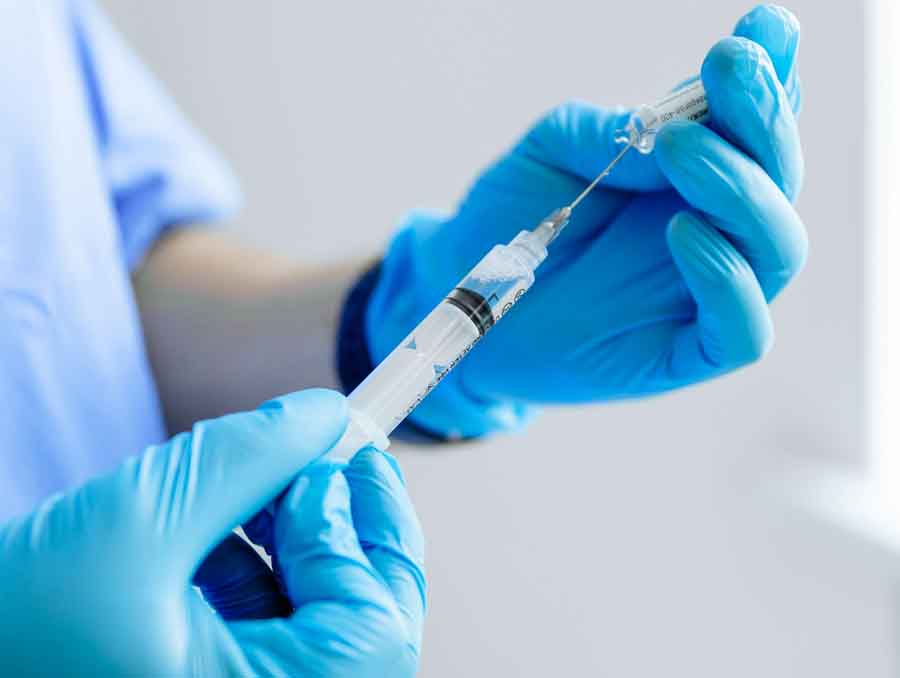
Photo courtesy – Elen Sher/Unsplash
From News Desk
Lebanon’s health system continues to function despite the mounting pressures of conflict, displacement and repeated attacks on health care – but without urgent action and sustained international support, access to essential health services is increasingly at risk.
Dr Chikwe Ihekweazu, Executive Director of WHO’s Health Emergencies Programme, has concluded a three‑day visit to Lebanon, reaffirming WHO’s support for the national health emergency response.
“I was deeply moved by the resilience of the displaced families I met and by the unwavering commitment of frontline workers and partners, including WHO colleagues,” said Dr Ihekweazu. “Their dedication, combined with investments in preparedness, have kept the health system functioning for now, but it is unclear how long it can withstand the repeated shocks as the conflict continues.”
Dr Ihekweazu met with national authorities, including the Prime Minister and the Health Minister, the United Nations Resident and Humanitarian Coordinator, other partners, displaced people and frontline health workers to hear from their experiences and identify priority areas for WHO’s continued support.
In support of the national response, WHO is delivering medical supplies, training health workers, supporting the Public Health Emergency Operations Centre; and coordinating the health response with partners, building on its experience with emergencies in the country. The latest delivery of supplies arrived in a convoy of four trucks on 1st April, carrying trauma emergency surgery supplies and specialized medicines, sufficient to support 50 000 patients, including 40 000 surgical interventions.
Attacks on health care are affecting health facilities, ambulances and health workers, disrupting essential services. Since 2nd March 2026, 92 attacks on health care have been reported in Lebanon, resulting in 137 injuries and 53 deaths.
“International humanitarian law is clear – health care must not be targeted and should be actively protected,” said Dr Ihekweazu. “This includes health workers, patients, transport and facilities.”
At Rafik Hariri University Hospital, the largest public hospital in Lebanon, the hospital management described a sharp rise in demand following the closure of hospitals in Beirut’s southern suburbs. Emergency admissions increased three-fold.
On 2nd April, WHO launched a Flash Appeal for USD 30 million required over the next six months to address urgent health needs across the five most affected countries in the Region, including USD 10 million for Lebanon.
WHO says it will continue to work closely with the Ministry of Public Health and partners to ensure equitable and inclusive access to essential health services for all, but further funding is needed to make this happen. Ultimately, peace is what the people of Lebanon and the wider region need. WHO urges all parties to work towards a resolution and to safeguard lives.
 News N Opinions...